Unveiling the truth behind common gambling myths and misconceptions
Understanding Gambling Odds
Many newcomers to gambling often believe that winning is purely based on luck. While luck plays a role, understanding the odds is essential for making informed decisions. Odds represent the likelihood of an event occurring, and knowing them can help players choose games that offerbest rated online casinos better chances of winning.
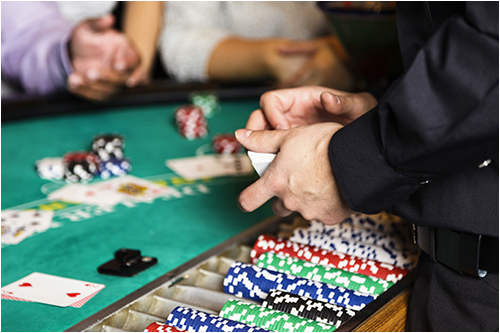
For example, in games like blackjack, players can employ strategies that minimize the house edge. By learning the odds and applying strategic techniques, players can enhance their overall experience and potentially improve their chances of success.
Myth of “Hot” and “Cold” Machines
A common misconception in gambling is the belief that slot machines have “hot” and “cold” streaks. Many players think that a machine is due for a win after a long losing streak. However, each spin on a slot machine is independent, controlled by a random number generator. This means past outcomes do not influence future spins.
Understanding this concept can prevent players from making irrational bets based on superstitions. Recognizing that every spin is random allows gamblers to approach their play with a more analytical mindset rather than relying on myths.
The Illusion of Control in Games of Chance
Another myth is the belief that players can control the outcome of games like roulette or craps. Some individuals may think that using betting systems or patterns can lead to guaranteed wins. However, these games are inherently random, and no strategy can alter the outcome of a roll or spin.
Instead, players should focus on responsible gambling and setting limits. By understanding that these games are based on chance, gamblers can enjoy them more fully without falling prey to the idea that they can control the results through various methods.
The Fallacy of the Gambler’s Fallacy
The Gambler’s Fallacy is a pervasive myth that suggests if an event has occurred more frequently than expected in the past, it is less likely to occur in the future. For instance, if a coin lands on heads five times in a row, some may believe that tails is now due. This notion is misleading, especially in games of chance where each event is independent.
Recognizing this fallacy can help gamblers make better decisions and avoid chasing losses. Understanding that randomness is a fundamental aspect of gambling can lead to a healthier approach to betting.

Insights from Our Gambling News Portal
This website serves as a valuable resource for anyone looking to deepen their understanding of the gambling world. With the latest news and insights, we aim to provide essential information that helps players navigate common misconceptions and make informed choices.
While browsing for gambling-related content, users may encounter security measures that protect against online threats. If you experience any access issues, we encourage you to reach out for assistance. Our goal is to ensure a safe and enriching experience for all visitors while delivering the most accurate and relevant information in the gambling industry.